none
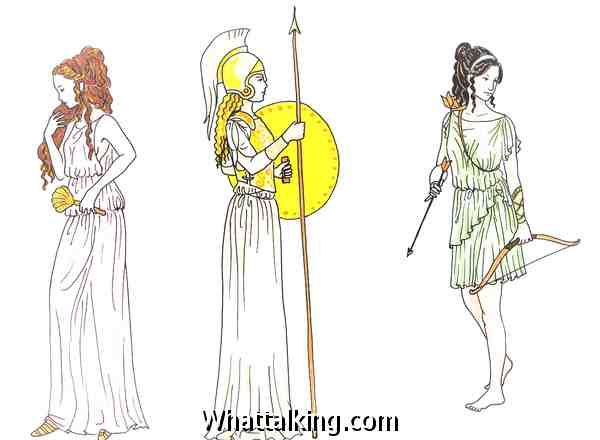
he article discusses various powerful goddesses throughout global mythology, including Greek figures like Athena and Aphrodite , the Egyptian goddess Isis , Hindu goddess Kali , and Norse goddess Freyja . It explores their attributes as symbols of feminine power, from love and beauty to war and destruction. Obscure goddess names like Ereshkigal and Guanyin are also mentioned. The piece highlights the endurance of goddess myths and their influence on culture and gender dynamics. Though a specific 'most beautiful' goddess is subjective, candidates like Aphrodite and Freyja are noted for their physical allure while inner radiance is embodied by Athena and Saraswati. Adopting a goddess moniker to channel divine feminine energy is also put forth.
Mythology is a rich tapestry of legends, tales, and symbols that has captivated humans for centuries. One of the most intriguing aspects of mythology is the concept of goddesses, divine feminine beings who possess extraordinary powers and wisdom.
These mythical goddesses, revered for their beauty, strength, and grace, represent various aspects of femininity and have played a significant role in shaping societies and cultures throughout history. From the nurturing and compassionate mother figures to the fierce and independent warrior goddesses, they embody archetypes that resonate with both women and men alike.
Exploring the world of goddesses in mythology allows us to delve into the mystical realm where legends come alive. We encounter powerful goddesses such as Athena, the Greek goddess of wisdom and battle strategy, whose intelligence and cunning are unmatched. We also meet Freya, the Norse goddess of love and fertility, whose beauty and sensuality captivate all who gaze upon her.
As we delve deeper, we discover the enigmatic goddesses of ancient Egypt, like Isis, the embodiment of divine motherhood and magic. Her unwavering devotion to her son Horus and her ability to resurrect her slain husband Osiris reflect the eternal cycle of life, death, and rebirth.
The enchanting world of goddesses in mythology not only offers us tales of wonder, but also teaches us valuable lessons about the power and potential of the feminine spirit. These goddesses serve as role models for women, empowering them to embrace their strength, wisdom, and inner divinity. For men, understanding the goddess archetype can foster a deeper appreciation and respect for the women in their lives.
Powerful Female Deities Throughout Mythology

In mythologies around the world, female deities have played significant roles as powerful and awe-inspiring figures. These goddesses embody a range of virtues, energies, and archetypes, captivating the imaginations of people across cultures and generations. Let us explore some of the most revered and influential female deities in mythology.
| Goddess | Mythology | Attributes |
|---|---|---|
| Athena | Greek | Wisdom, courage, strategic warfare |
| Isis | Egyptian | Healing, magic, motherhood |
| Kali | Hindu | Destruction, transformation, empowerment |
| Freyja | Norse | Love, beauty, fertility, war |
| Amaterasu | Japanese | Sun, light, royal power |
Athena, the Greek goddess of wisdom, is renowned for her strategic prowess in battle and her guidance to heroes. Isis, the Egyptian goddess, is associated with magic and healing, revered as a nurturing mother figure. Kali, the Hindu goddess of destruction, represents powerful transformation and the ability to conquer dark forces. Freyja, the Norse goddess, embodies love, beauty, fertility, and war. Amaterasu, in Japanese mythology, is the goddess of the sun and brings light and royal power to the world.
These mighty goddesses are just a glimpse of the countless inspiring female deities found in mythology. Their stories and attributes continue to captivate us, reminding us of the strength, wisdom, and beauty that lies within the feminine divine.
Who is the strongest goddess of love?
Love is a powerful and complex emotion that has been explored by different cultures throughout history. In mythology, many goddesses are associated with love and desire, but one of the strongest and most well-known among them is Aphrodite.
Aphrodite is the ancient Greek goddess of love, beauty, and desire. She is often depicted as a beautiful woman, born from the sea foam. As the goddess of love, she had the power to enchant and seduce both gods and mortals.
Aphrodite's influence extended beyond romantic love, as she was also associated with fertility, pleasure, and procreation. She had the ability to inspire desire and stir the passions of those around her.
Despite her beauty and charm, Aphrodite was not always portrayed in a positive light. Her actions were often driven by jealousy and her relationships were often filled with drama and conflict. However, this complexity only added to her appeal as a goddess of love.
Throughout history, Aphrodite has been worshipped and revered by many cultures. Her influence can be seen in art, literature, and even modern interpretations of love and beauty. Her enduring popularity is a testament to the strength and power of her representation of love.
While Aphrodite may be considered the strongest goddess of love, it is important to note that there are many other goddesses associated with love and desire in different mythologies. Each goddess brings a unique perspective and power to the concept of love, adding depth and richness to the exploration of divine femininity.
Whether it is Aphrodite or another goddess, the representation of love in mythology provides us with a fascinating glimpse into the complex and enchanting world of goddesses and their role in shaping our understanding of love.
Who are the three goddesses of beauty?
In mythology, there are three prominent goddesses who are associated with beauty, grace, and charm. They are Aphrodite, Venus, and Freyja.
songs to get over a breakup for guys
Aphrodite is the Greek goddess of love, beauty, and desire. She is often depicted with a captivating and alluring presence. Aphrodite has the power to inspire passion, desire, and affection in mortals and gods alike.
Venus is the Roman counterpart of Aphrodite. She is also associated with love, beauty, and fertility. Venus was believed to have a seductive and magnetic personality. She was worshipped as a source of divine feminine power and was often depicted in works of art and literature.
Freyja is a Norse goddess associated with love, beauty, and fertility. She is known for her captivating beauty and sensuality. Freyja is often depicted as a powerful and independent goddess who is in touch with her desires and sexuality.
These three goddesses of beauty symbolize the allure and enchantment associated with femininity. They serve as a reminder of the powerful and transformative nature of beauty in mythology and the world around us.
Who is the most beautiful of all the goddesses?
In the enchanting world of goddesses in mythology, beauty often played a significant role. Many goddesses were revered for their breathtaking appearances, captivating the hearts of mortals and gods alike. While there is no definitive answer to who is the most beautiful of all the goddesses, several contenders have captured the imagination of countless civilizations throughout history.
One popular contender for the title of the most beautiful goddess is Aphrodite, the Greek goddess of love and beauty. Described as having radiant golden hair, sparkling blue eyes, and flawless skin, Aphrodite effortlessly embodies the essence of alluring beauty. Her mere presence is said to have the power to enchant and seduce anyone who gazes upon her.
Another goddess often mentioned in discussions of beauty is Freyja, the Norse goddess of love, beauty, and fertility. With her flowing golden hair and piercing green eyes, Freyja exudes an ethereal beauty that is impossible to ignore. Her captivating charm and allure have inspired countless sagas and poems throughout Norse mythology.
Meanwhile, in Egyptian mythology, the goddess Isis is frequently revered for her exceptional beauty. Often depicted as a regal and graceful figure with the radiance of the sun, Isis represents the epitome of divine femininity. Her enchanting beauty transcends mortal comprehension, captivating the hearts of gods and mortals alike.
It is important to note that beauty in the realm of goddesses extends beyond physical appearance. Many goddesses embody beauty in its broader sense, encompassing qualities such as wisdom, compassion, and strength. Goddesses like Athena, the Greek goddess of wisdom, and Saraswati, the Hindu goddess of knowledge, are celebrated for their inner beauty and divine qualities.
Ultimately, the question of who is the most beautiful of all the goddesses is subjective and open to interpretation. Beauty is a multifaceted concept, and the allure of each goddess is unique and deeply intertwined with their individual roles and attributes within mythology. Whether it is Aphrodite's enchanting physical beauty, Freyja's otherworldly allure, or the inner beauty of goddesses like Athena and Saraswati, the realm of goddesses in mythology offers a rich tapestry of captivating beauty for us to explore and appreciate.
Greek Goddesses of Love and Beauty

Greek mythology is rich with captivating goddesses who represent love and beauty. These powerful figures inspire awe and admiration, and their stories continue to fascinate people today.
Aphrodite is perhaps the most well-known Greek goddess of love and beauty. She is often depicted as a beautiful woman emerging from the sea foam, and she has the power to enchant and inspire desire. Aphrodite is associated with romantic love, desire, and fertility.
Another notable goddess of love and beauty is Hera. As the queen of the gods, she is not only known for her beauty, but also for her commitment to marriage and family. Hera is often depicted as a regal and authoritative figure, and she presides over weddings and childbirth.
The goddess Athena, while primarily associated with wisdom and warfare, is also revered for her beauty. She is depicted as a strong and wise goddess, embodying both physical and mental strength. Athena represents the beauty that comes from inner strength and intelligence.
The goddess Persephone is another important figure in Greek mythology. While primarily known as the queen of the Underworld, Persephone is also associated with growth and rebirth. She represents the beauty that can emerge from adversity and transformation.
These goddesses of love and beauty reflect the many facets of femininity and serve as symbols of empowerment and inspiration. Their stories and characteristics have influenced art, literature, and culture throughout history, and they continue to capture the imaginations of people today.
Who is the Greek goddess of charm and beauty?
In Greek mythology, the goddess of charm and beauty is Aphrodite. She is one of the most well-known and popular goddesses in Greek mythology. Known for her irresistible beauty and enchanting charm, Aphrodite represents love, desire, and fertility.
Aphrodite is often depicted as a stunningly beautiful young woman, with golden hair and sparkling eyes. According to myth, she was born from the sea foam after the titan Cronus castrated his father Uranus and threw his genitals into the sea. The foam created by the mixing of the immortal flesh with the sea gave birth to Aphrodite, hence her association with the sea.
Aphrodite was married to Hephaestus, the god of blacksmiths, but she had many lovers and romantic escapades with both gods and mortals. Her most famous love affair was with the handsome Trojan prince Paris, which ultimately led to the outbreak of the Trojan War.
Aphrodite was worshipped by the ancient Greeks in various forms and had many temples dedicated to her. She had a significant influence on love, beauty, and relationships, and was often invoked for assistance in matters of the heart.
As a symbol of femininity and sensuality, Aphrodite continues to captivate and inspire people today. Her story serves as a reminder of the power and allure of feminine beauty and love.
Who is the Roman goddess of love and beauty?
In Roman mythology, the goddess of love and beauty is known as Venus. She is the equivalent of the Greek goddess Aphrodite and is considered one of the most important figures in Roman mythology.
Venus is typically depicted as a beautiful woman, often shown standing on a seashell or accompanied by dolphins. She is associated with love, beauty, desire, fertility, and prosperity.
According to myth, Venus was born from the foam of the sea after the god Uranus was castrated and his genitals were thrown into the ocean. She emerged fully grown and stunningly beautiful.
Venus is often portrayed as a seductive and irresistible figure, capable of influencing the hearts and desires of both gods and mortals. She has several legendary relationships, including a passionate affair with the god Mars and a tragic love story with the mortal Adonis.
As the goddess of love and beauty, Venus is also a patron of romance, marriage, and fertility. She is often invoked by those seeking love or hoping to enhance their physical appearance.
Throughout history, Venus has remained a prominent figure in art, literature, and popular culture. Her beauty and allure continue to captivate the imagination and inspire artists and romantics alike.
So, next time you encounter a captivating work of art or find yourself infatuated with someone's beauty, remember the Roman goddess Venus, the epitome of love and beauty.
Lesser-Known and Obscure Goddess Names

While many goddesses from various mythologies have gained popularity and recognition, there are also numerous lesser-known and obscure goddesses who deserve our attention.
One such goddess is Ereshkigal, a Mesopotamian goddess of the underworld. She governs over the realm of the dead and is often depicted as a somber figure. Ereshkigal is a powerful deity who should not be underestimated.
Another obscure goddess is Guanyin, a Buddhist deity associated with compassion and mercy. Guanyin is often portrayed as a gentle figure who provides comfort and guidance to those in need. Her name translates to 'the one who hears the cries of the world,' highlighting her empathetic nature.
Kali Ma is a Hindu goddess who is often misunderstood due to her fierce and destructive appearance. However, she is a complex deity associated with empowerment and liberation. Despite her terrifying image, Kali Ma is also a motherly figure who brings about transformation and new beginnings.
In Slavic mythology, there is a lesser-known goddess called Berehynia. She is a protector of the hearth and home, and is associated with fertility. Berehynia is often depicted as a nurturing figure, providing comfort and stability to her worshippers.
Aphrodite Urania is an ancient Greek goddess who represents spiritual and intellectual love. She is different from the more well-known Aphrodite, who is associated with physical love and beauty. Aphrodite Urania inspires creativity and philosophical thought in those who seek her guidance.
These are just a few examples of the many lesser-known and obscure goddesses throughout mythology. Exploring their stories and attributes can provide a deeper understanding of the diverse and enchanting world of goddesses.
Who are the lesser known Greek goddesses female?
Greek mythology is filled with powerful and well-known goddesses such as Athena, Aphrodite, and Hera. However, there are also a number of lesser-known goddesses who played important roles in ancient Greek culture. These goddesses may not be as well-known, but they are just as fascinating and deserving of attention. Here are a few of the lesser-known Greek goddesses:
| Goddess | Domain | Description |
|---|---|---|
| Eileithyia | Childbirth | Eileithyia was the goddess of childbirth, often depicted as a young woman holding torches. She assisted in the safe delivery of babies and was closely associated with the process of labor. |
| Nemesis | Retribution | Nemesis was the goddess of retribution and revenge. She ensured that people received what they deserved for their actions, whether it be punishment or reward. |
| Hecate | Witchcraft and Crossroads | Hecate was the goddess of witchcraft, magic, and crossroads. She was often depicted as a triple goddess with three faces, representing her power over the past, present, and future. |
| Iris | Rainbows and Communication | Iris was the goddess of rainbows and communication. She served as a messenger for the gods and was associated with the transition between heaven and earth. |
| Persephone | Underworld and Spring | Persephone was the goddess of the underworld and the daughter of Zeus and Demeter. She was abducted by Hades but eventually became the queen of the underworld. She represented the cycle of life and death. |
These lesser-known Greek goddesses may not be as widely recognized as their more famous counterparts, but they are just as important in understanding the rich mythology of ancient Greece. Each goddess brings her own unique strengths and charms to the divine feminine pantheon.
Who is the underrated Greek goddess?
Hestia, the goddess of the hearth and home, is not as flashy or attention-grabbing as some of her counterparts. She doesn't have thrilling stories of love affairs or epic battles. But her role is just as vital, if not more so.
In Greek mythology, Hestia was the eldest of the Olympian siblings, yet she willingly gave up her seat to Dionysus, another god, so that there would be no conflict or jealousy among them. This act of selflessness and peacemaking is emblematic of Hestia's gentle and nurturing nature.
As the goddess of the hearth, Hestia presided over the sacred fire that was always kept burning in the center of the home. This fire represented not only warmth and light but also familial unity and a sense of belonging. Hestia's presence ensured that the home was a safe and peaceful sanctuary for its inhabitants.
While other goddesses may have more exciting stories and adventures, Hestia's quiet strength and stability are just as important. She symbolizes the importance of home and family, reminding us to cherish the simple joys and comforts of everyday life.
So, the next time you light a fire or gather around the dinner table with loved ones, take a moment to appreciate Hestia, the underrated Greek goddess who watches over our homes and hearths.
Invoke the Divine Feminine with Goddess Monikers

The world of mythology is filled with mesmerizing goddesses, each representing different facets of the divine feminine energy. These goddesses have been revered and worshipped by cultures around the globe for centuries. Connecting with their energy can help us tap into our own inner power and embrace the qualities they personify.
One way to invoke the divine feminine is by adopting goddess monikers. By embodying the spirit and essence of these powerful figures, we can tap into the energy they represent and bring it into our lives. Here are a few examples of goddess monikers and the qualities they embody:
| Goddess Moniker | Qualities Embodied |
|---|---|
| Aphrodite | Love, beauty, passion |
| Artemis | Independence, nature, protection |
| Isis | Magic, motherhood, healing |
| Saraswati | Wisdom, creativity, knowledge |
| Kali | Destruction, transformation, empowerment |
When choosing a goddess moniker, consider the qualities you wish to embrace and embody in your life. It's important to connect with the energy of the chosen goddess and allow her to guide you on your journey of self-discovery and empowerment.
Whether you simply adopt a goddess moniker for personal inspiration or incorporate it into your spiritual practice, invoking the divine feminine can help you tap into your own inner strength, intuition, and wisdom. Embrace the enchanting world of goddesses and harness their powerful energy to create a life filled with purpose, love, and empowerment.
Which goddess represents the divine feminine?
The divine feminine is represented by various goddesses in mythology, each embodying different aspects of femininity and power. One such goddess is Isis, an ancient Egyptian deity known as the embodiment of motherhood, magic, and healing. She is often depicted as a powerful, nurturing figure, exemplifying the qualities of love, compassion, and wisdom.
Another goddess that represents the divine feminine is Aphrodite, the Greek goddess of love, beauty, and fertility. She is often depicted as a sensual and beautiful figure, symbolizing the power of love and desire. Aphrodite embodies femininity, grace, and the ability to bring joy and pleasure to the world.
Additionally, the Hindu goddess Lakshmi represents the divine feminine with her association with wealth, abundance, and prosperity. She is depicted as a gentle and nurturing deity, showering blessings and bringing fortune to those who worship her. Lakshmi embodies the qualities of generosity, beauty, and grace.
These are just a few examples of goddesses who represent the divine feminine, each with their unique qualities and attributes. The exploration of goddess mythology offers a deeper understanding and appreciation for the diverse facets of femininity and the power it holds.
How to be a divine feminine goddess?
Being a divine feminine goddess is about connecting with your inner power and embracing the qualities associated with the goddesses in mythology. Here are some steps to help you tap into your divine feminine energy:
1. Explore goddess mythology: Take the time to learn about goddesses from different cultures and mythologies. Read books and articles, watch documentaries, and try to understand the symbolism and stories behind these powerful female figures.
2. Embrace your intuition: The divine feminine is often associated with intuition and inner knowing. Trust your instincts, listen to your inner voice, and make decisions that align with your authentic self.
3. Cultivate self-love and self-care: Treat yourself with kindness and compassion. Practice self-care routines that nourish your mind, body, and spirit. This can include meditation, journaling, taking baths, or engaging in activities that bring you joy.
4. Honor your emotions: Allow yourself to feel your emotions fully, without judgment or suppression. Embracing your emotions is a powerful way to connect with your divine feminine energy and cultivate authenticity.
5. Practice vulnerability: Vulnerability is a sign of strength, not weakness. By allowing yourself to be vulnerable, you open yourself up to deeper connections and experiences. Share your thoughts, feelings, and desires openly and authentically.
6. Embody the qualities of the goddesses: Reflect on the qualities and attributes of the goddesses you resonate with and try to embody those qualities in your daily life. For example, if you connect with the nurturing aspect of the goddess, find ways to nurture yourself and others.
7. Support other women: Lift other women up and celebrate their successes. The divine feminine thrives in community and unity. Seek out connections with like-minded women and support each other on your journeys.
signs a married man wants you
Remember, being a divine feminine goddess is a personal journey, and it's important to embrace your own unique qualities and strengths. Trust in your own power and embrace the beauty of the divine feminine within you.


