The Ultimate Chicken Broccoli and Rice Diet Guide - Your Go-To Resource for Weight Loss Success
none

The article examines the chicken and broccoli diet for weight loss. It highlights the low calorie, high protein and fiber aspects that can promote satiety and burn fat. However, solely relying on chicken and broccoli is cautioned against, instead recommending it be part of a balanced diet under professional guidance. Pros and cons are provided, like the diet's weight loss potential but also possible nutritional deficiencies or intolerance issues. Tips are given for successfully incorporating chicken, broccoli and rice , such as controlling portions, trying various cooking methods and monitoring overall calories.
While the chicken, broccoli and rice diet certainly provides beneficial nutrition like protein, vitamins and minerals, it should not be viewed as a quick fix for shedding pounds. As outlined here, structured weight management requires a multimodal approach - controlling portions, physical activity, hydration and more. Lean protein and fibrous vegetables can contribute to feeling fuller on fewer calories, but works best alongside other healthy whole foods for balanced nutrition. Moderation is also key to avoid potential downsides like contamination or allergy issues. With reasonable expectations and professional support, this diet can be an effective component of safe, sustainable weight loss.
Are you tired of trying different diets and not seeing any results? Look no further! The Chicken Broccoli and Rice Diet is here to help you achieve your weight loss goals and improve your overall health. This diet is a perfect combination of deliciousness and nutrition, making it a great choice for those who want to shed those extra pounds.
Why should you choose the Chicken Broccoli and Rice Diet? Well, let's start with chicken. It is a lean source of protein, which is essential for muscle growth and repair. Protein also helps to keep you feeling full for longer, reducing your cravings and unnecessary snacking. And the best part? Chicken is low in calories and fat, making it a great choice for weight loss.
Next, we have broccoli. This green superhero is packed with essential vitamins and minerals, such as vitamin C, vitamin K, and folate. It is also rich in fiber, which aids in digestion and keeps you feeling satiated. The combination of protein from the chicken and fiber from the broccoli will help you stay on track with your weight loss goals.
Finally, we have rice. It is a complex carbohydrate that provides a steady release of energy throughout the day. This will keep you feeling energized and satisfied, preventing any mid-afternoon crashes that often lead to unhealthy snacking. Rice also contains essential nutrients like magnesium and B vitamins, which promote a healthy metabolism.
So, are you ready to embark on your weight loss journey? The Chicken Broccoli and Rice Diet is your answer. With its delicious flavors, variety of nutrients, and weight loss benefits, this diet will help you achieve your goals in a healthy and sustainable way. Say goodbye to fad diets and hello to a happier, healthier you!
Nutritional Overview: Chicken, Broccoli, and Rice Diet
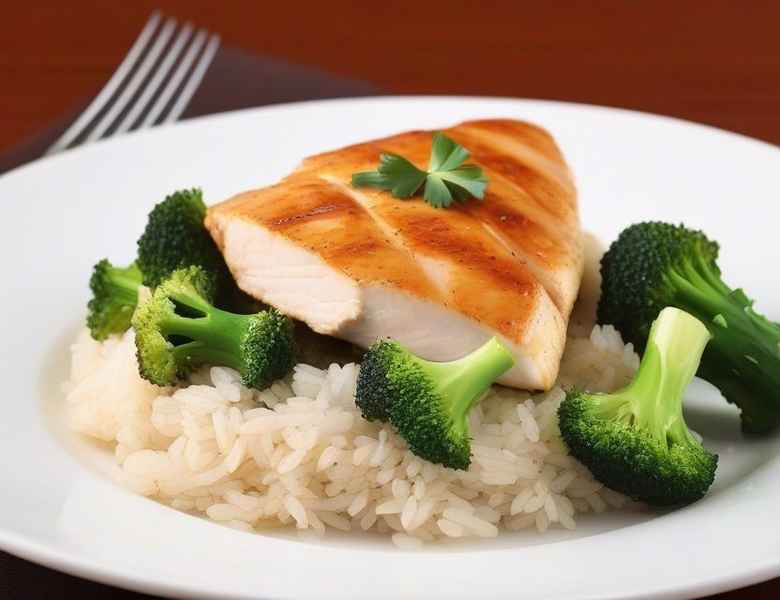
The chicken, broccoli, and rice diet is often chosen by individuals who aim to lose weight. This diet is known for its high protein content, which can help promote feelings of fullness and support muscle recovery and growth.
Chicken is a lean source of protein that is low in fat and calories. It is also rich in essential nutrients such as vitamin B6, niacin, and selenium. These nutrients play a vital role in supporting overall health and metabolism.
Broccoli is a cruciferous vegetable that is packed with vitamins, minerals, and dietary fiber. It is particularly rich in vitamin C, vitamin K, and folate. Broccoli also contains antioxidants, which help protect the body against oxidative stress and reduce the risk of chronic diseases.
Rice is a staple food that provides a good source of energy. It is a complex carbohydrate that is easily digested and provides a steady release of energy. Brown rice, in particular, is a healthier choice as it contains more fiber and nutrients compared to white rice.
When following the chicken, broccoli, and rice diet, it is important to ensure a balanced and varied diet. This can be achieved by incorporating other fruits, vegetables, whole grains, and lean proteins into the meal plan. It is also crucial to consult with a healthcare professional or registered dietitian before starting any new diet.
Overall, the chicken, broccoli, and rice diet can be a nutritious and effective way to support weight loss goals. However, it is important to maintain a balanced and varied diet to ensure all nutritional needs are met.
Is chicken broccoli and rice nutritionally complete?
Chicken broccoli and rice is a popular dish among people who are trying to lose weight. It is often seen as a healthy and nutritious meal option. But is it nutritionally complete?
The answer to that question depends on the specific recipe and portion size of the dish, but generally, chicken broccoli and rice can provide a balanced combination of macronutrients and micronutrients.
Chicken is a good source of lean protein, which is essential for building and repairing muscles. It is also low in fat and calories, making it an excellent choice for those who are watching their weight. Additionally, chicken is high in vitamins and minerals such as vitamin B12, zinc, and selenium.
Broccoli, on the other hand, is a nutrient-dense vegetable that is packed with vitamins and minerals. It is high in vitamin C, vitamin K, and folate. It also contains antioxidants that can help protect against chronic diseases. Broccoli is also a good source of dietary fiber, which aids in digestion and can help with weight management.
Rice is a staple food for many cultures and provides a good source of carbohydrates, which are essential for energy production. However, it is important to note that not all types of rice are equally nutritious. Brown rice, for example, is more nutritious than white rice as it contains more fiber, vitamins, and minerals.
When combined together, chicken, broccoli, and rice can provide a well-rounded and nutritious meal. However, it is important to ensure that the dish is prepared using healthy cooking methods and portion sizes are controlled to maintain a balanced diet.
| Component | Chicken (100g) | Broccoli (100g) | Brown Rice (100g) |
|---|---|---|---|
| Protein | 21g | 2.8g | 2.6g |
| Fat | 1.2g | 0.2g | 1.6g |
| Carbohydrates | 0g | 7g | 22g |
| Fiber | 0g | 2.6g | 1.8g |
| Calories | 95 | 34 | 111 |
How healthy is a chicken and rice diet?
A chicken and rice diet can be a healthy option for those looking to lose weight or maintain a healthy lifestyle. Chicken is a lean source of protein, which is essential for building and repairing tissues, producing enzymes and hormones, and supporting a strong immune system. Rice, especially brown rice, is a complex carbohydrate that provides energy, fiber, and essential nutrients.
Chicken is low in fat, particularly if you choose skinless cuts, making it a healthier protein option compared to red meat or processed meats. It is also a good source of vitamins and minerals, such as vitamin B6, niacin, selenium, and phosphorus.
As for rice, brown rice is a healthier option as it retains the bran and germ layers, which are rich in fiber and nutrients. It has a lower glycemic index than refined white rice, meaning it is digested more slowly, which can help regulate blood sugar levels and keep you feeling fuller for longer.
It's important to note that a chicken and rice diet should not be considered a long-term solution. While it can be a part of a balanced and healthy diet, it is recommended to include a variety of other fruits, vegetables, whole grains, and lean proteins to ensure you're getting all the necessary nutrients.
Additionally, it is important to be mindful of portion sizes and to prepare the chicken and rice in a healthy manner. Avoid frying the chicken and opt for grilling, baking, or steaming. You can also add flavor to your chicken and rice by using herbs, spices, and healthy cooking oils.
Overall, a chicken and rice diet can be a healthy option when consumed as part of a well-rounded diet and combined with regular exercise. It provides essential nutrients and can help support weight loss or weight management goals.
Weight Loss Potential: Evaluating the Chicken and Broccoli Diet
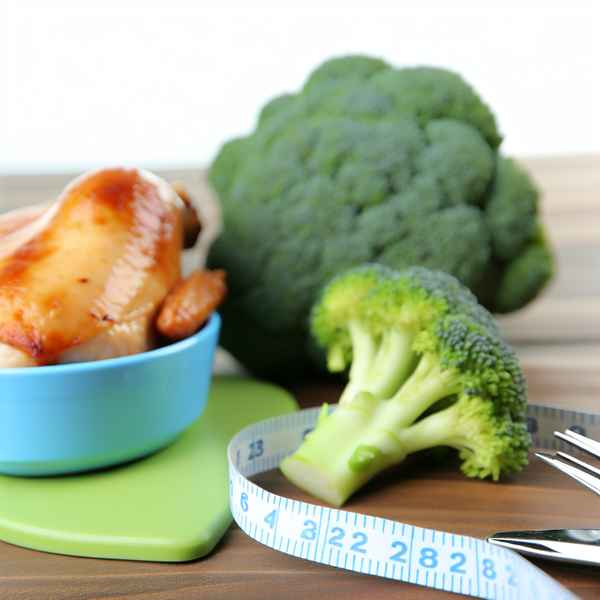
The chicken and broccoli diet is often touted as an effective way to lose weight. In this section, we will delve into the weight loss potential of this diet and evaluate its effectiveness.
Chicken is a lean source of protein, which makes it an excellent choice for those looking to shed pounds. Protein is known to increase satiety, which can help control appetite and prevent overeating. Additionally, protein requires more energy to digest compared to carbohydrates and fats, resulting in a modest boost to metabolism. By incorporating chicken into your diet, you may feel fuller for longer and burn more calories throughout the day.
Broccoli, on the other hand, is a low-calorie vegetable that is rich in fiber. Fiber helps promote feelings of fullness and aids in digestion. It also adds bulk to your diet, making you feel satisfied without consuming excess calories. The high fiber content in broccoli can also regulate blood sugar levels and prevent cravings, which can be beneficial for weight loss goals.
Although the chicken and broccoli diet has its merits, it is important to note that it is not a magic solution for weight loss. To achieve sustainable results, it is crucial to adopt a well-rounded approach to your diet and lifestyle. This includes incorporating a variety of nutrient-dense foods, engaging in regular physical activity, and managing portion sizes.
Furthermore, it is essential to consult with a healthcare professional or registered dietitian before making any significant changes to your diet. They can evaluate your individual needs and provide personalized guidance to help you reach your weight loss goals safely and effectively.
- Weight Loss Potential: Incorporating chicken and broccoli into your diet can support weight loss efforts due to their protein and fiber content. However, it is important to adopt a well-rounded approach to your diet and consult with a healthcare professional for personalized advice.
How much weight can you lose on the chicken and broccoli diet?
The chicken and broccoli diet is a popular approach for weight loss due to its focus on lean protein and vegetables. While the diet can be effective for shedding pounds, it's important to approach weight loss in a healthy and sustainable way.
When following the chicken and broccoli diet, you may experience weight loss due to its low-calorie nature. Chicken breast is a lean source of protein that can help you feel satisfied while consuming fewer calories. Broccoli is a fibrous vegetable that is low in calories and high in nutrients.
However, it's important to note that weight loss is highly individual and can vary based on several factors, such as your starting weight, age, gender, and activity level. Additionally, it's not solely about the foods you eat but also about creating a calorie deficit by consuming fewer calories than your body needs.
To lose weight effectively, it is generally recommended to aim for a gradual and sustainable weight loss of 1-2 pounds per week. This can be achieved by creating a daily calorie deficit of around 500-1000 calories through a combination of diet and exercise.
While the chicken and broccoli diet can contribute to weight loss, it's important to ensure that you are still getting all the necessary nutrients for your body's overall health. It is advisable to consult with a healthcare professional or registered dietitian before starting any restrictive diet to ensure you are meeting your nutritional needs.
In conclusion , while the chicken and broccoli diet can be effective for weight loss, the amount of weight you can lose will depend on factors specific to your body. It's important to approach weight loss in a healthy and sustainable way, and seek guidance from a healthcare professional to ensure you are meeting your nutritional needs.
How to lose weight on a broccoli diet?
If you're looking to lose weight, incorporating broccoli into your diet can be a great strategy. Broccoli is low in calories but high in fiber, which can help you feel full and satisfied without consuming excess calories. To maximize weight loss on a broccoli diet, follow these tips:
1. Include broccoli in your meals: Incorporate broccoli into your meals as much as possible. You can steam it, roast it, or even include it in salads or stir-fries.
2. Opt for nutrient-dense meals: Alongside broccoli, choose other nutrient-dense foods that are low in calories but high in vitamins, minerals, and fiber. This can include lean protein sources like chicken breast or tofu, complex carbohydrates like brown rice or quinoa, and healthy fats like avocado or olive oil.
3. Watch your portion sizes: While broccoli is a low-calorie food, portion control is still important. Be mindful of your serving sizes and aim to fill half of your plate with vegetables like broccoli.
4. Avoid excessive sauces and dressings: Be cautious of adding high-calorie sauces or dressings to your broccoli dishes. Opt for lighter alternatives like lemon juice, herbs, or low-fat yogurt-based dressings to enhance the flavors without adding unnecessary calories.
5. Stay hydrated: Drinking enough water throughout the day can help support weight loss. Water helps to keep you hydrated and can also aid in digestion.
6. Stay consistent and be patient: Remember that weight loss takes time and consistency. Incorporating broccoli into your diet is a healthy habit, but it's important to be patient and stick to your overall weight loss plan.
By following these tips and making broccoli a staple in your diet, you can enhance your weight loss efforts while reaping the numerous health benefits that come with consuming this nutritious vegetable.
Pros and Cons of Eating Chicken and Broccoli Regularly
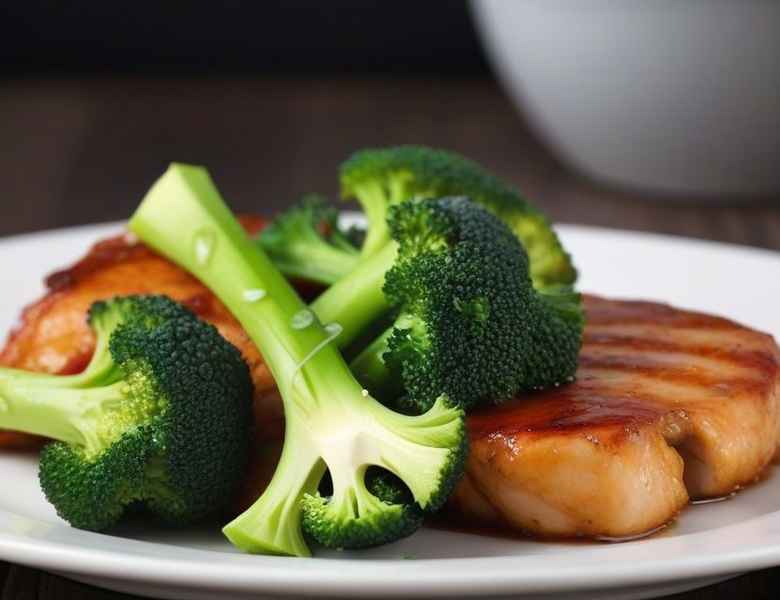
Eating chicken and broccoli regularly can have several benefits for overall health. However, it is important to be aware of the potential drawbacks as well. Let's take a look at the pros and cons of including chicken and broccoli in your diet:
| Pros | Cons |
|---|---|
| 1. High in protein: Chicken is an excellent source of lean protein, which is essential for building and repairing muscles. Broccoli is also rich in protein. | 1. Vitamin K interaction: Broccoli is high in vitamin K, which can interfere with blood thinning medications. If you are taking such medications, consult with your doctor before consuming large amounts of broccoli. |
| 2. Nutrient-dense: Both chicken and broccoli are packed with essential vitamins and minerals, including vitamin C, vitamin A, and potassium. | 2. Potential contamination: Chicken can carry harmful bacteria like salmonella, especially if not cooked properly. Make sure to handle and cook chicken safely to avoid foodborne illnesses. |
| 3. Weight loss support: Chicken and broccoli are low in calories and high in fiber, making them excellent choices for weight loss and management. | 3. Limited variety: Relying solely on chicken and broccoli can lead to dietary boredom and may result in nutrient deficiencies if not combined with a diverse range of foods. |
| 4. Easy to prepare: Both chicken and broccoli can be cooked in various ways, making them versatile ingredients to include in your meals. | 4. Allergies and intolerances: Some individuals may have allergies or intolerances to chicken or broccoli, which can cause adverse reactions. If you are unsure, it's best to consult with a healthcare professional. |
Overall, incorporating chicken and broccoli into your regular diet can provide numerous health benefits. However, it is important to consume them in moderation and maintain a balanced diet to ensure you are meeting all of your nutritional needs.
What are the disadvantages of eating broccoli?
- Gas and bloating: Broccoli contains a type of carbohydrate called raffinose, which can be difficult for some people to digest. This can lead to gas, bloating, and discomfort.
- Thyroid function: Broccoli is a goitrogenic food, which means it can interfere with thyroid function. People who have thyroid issues or are on thyroid medication should be cautious about consuming large amounts of broccoli.
- Interaction with certain medications: Broccoli contains compounds that can interact with certain medications, such as blood thinners. It is important to consult with a healthcare professional if you are taking any medication and want to include broccoli in your diet.
- Oxalates: Broccoli is high in oxalates, which can contribute to the formation of kidney stones in susceptible individuals. People who are prone to kidney stones should moderate their intake of oxalate-rich foods like broccoli.
Despite these potential disadvantages, it is important to note that broccoli is still a highly nutritious vegetable that provides numerous health benefits. Many people can enjoy broccoli as part of a well-balanced diet without experiencing any negative effects.
progesterone rich foods pregnancy
What are the cons of eating chicken everyday?
Eating chicken everyday can have a few downsides:
- High cholesterol: Chicken, especially the skin, is high in cholesterol. Consuming too much cholesterol can increase the risk of heart disease and other cardiovascular problems.
- Potential for antibiotic resistance: Intensive farming practices often involve the use of antibiotics in chicken rearing. Regular consumption of chicken might contribute to the development of antibiotic-resistant bacteria in the body.
- Incomplete nutrition: Relying too heavily on chicken as the main protein source can lead to an imbalanced diet. It's important to incorporate other sources of nutrients like fruits, vegetables, and whole grains for a well-rounded diet.
- Possible exposure to contaminants: The quality of chicken can vary depending on the production methods. Contamination with pathogens such as Salmonella or Campylobacter is possible, which can cause foodborne illnesses.
- Saturated fats: Chicken skin and certain cuts of chicken can contain high levels of saturated fats. Excessive consumption of saturated fats can lead to weight gain, elevated cholesterol levels, and an increased risk of heart disease.
- Environmental impact: Chicken production has an environmental impact due to land use, water pollution, and greenhouse gas emissions. Consuming chicken everyday without considering sustainable farming practices can contribute to these issues.
While chicken can be a part of a healthy diet when consumed in moderation and in conjunction with a variety of other foods, it's important to be mindful of these potential downsides and make informed choices about your overall diet.
Dietary Strategies: Incorporating Chicken, Broccoli, and Rice into a Weight Loss Plan
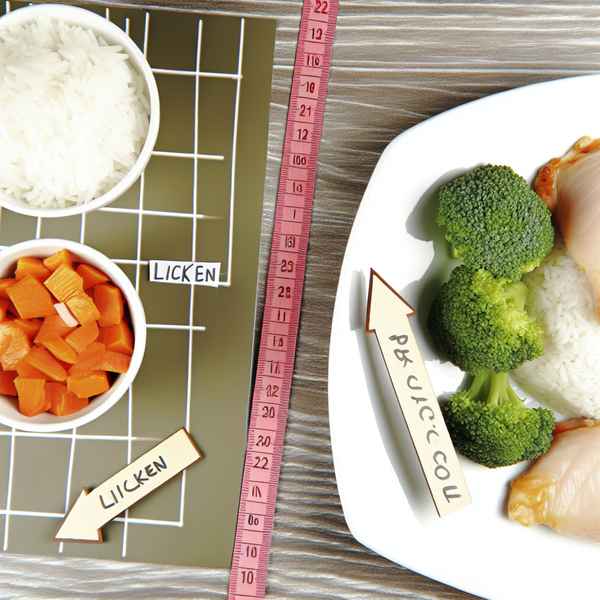
When it comes to weight loss, proper nutrition is key. One dietary strategy that has proven effective for many individuals is incorporating chicken, broccoli, and rice into their meal plan. These foods are low in calories and high in nutrients, making them excellent choices for those looking to shed excess pounds.
Chicken is a lean source of protein that can help keep you feeling full and satisfied. It is also low in fat, making it an optimal choice for a weight loss diet. By including chicken in your meals, you can ensure that you are getting the necessary protein to support muscle growth and repair while still maintaining a calorie deficit.
Broccoli is a cruciferous vegetable that is packed with vitamins, minerals, and fiber. It is low in calories but high in volume, which means you can eat a large portion without consuming a significant number of calories. Adding broccoli to your meals can help you feel fuller for longer and provide essential nutrients to support overall health.
Rice is a staple food in many cultures, and when chosen wisely, it can be a valuable addition to a weight loss plan. Opting for whole grains like brown rice instead of refined white rice can provide additional fiber and nutrients. Additionally, portion control is key when including rice in your meals to ensure you are staying within your calorie goals.
| Meal Idea | Ingredients | Preparation |
|---|---|---|
| Grilled Chicken Stir-fry | Chicken breast, broccoli, brown rice, soy sauce | 1. Marinate chicken breast in soy sauce. 2. Grill chicken breast until cooked through. 3. Steam broccoli. 4. Cook brown rice. 5. Stir-fry chicken, broccoli, and rice together with soy sauce. |
| Chicken and Broccoli Bowl | Chicken breast, broccoli, quinoa | 1. Bake or grill chicken breast until cooked through. 2. Steam broccoli. 3. Cook quinoa according to package instructions. 4. Assemble a bowl with chicken, broccoli, and quinoa. |
These are just a few examples of how you can incorporate chicken, broccoli, and rice into your weight loss plan. Get creative with your meal preparation and try different seasonings and cooking methods to keep your taste buds satisfied. Remember to keep portion sizes in check and monitor your overall calorie intake to ensure you are on track to meet your weight loss goals.
By incorporating chicken, broccoli, and rice into your weight loss plan, you can create a balanced and nutritious diet that supports your goals. Make sure to consult with a healthcare professional or registered dietitian before making any significant changes to your diet, especially if you have any underlying health conditions.
What does chicken broccoli and rice do to your body?
The combination of chicken, broccoli, and rice can have several beneficial effects on your body. Here are some of the key benefits:
| Nutrient-rich: | Chicken is a great source of lean protein, which is essential for building and repairing tissues, producing enzymes and hormones, and supporting a healthy immune system. Broccoli is packed with vitamins, minerals, and fiber, while rice provides carbohydrates for energy. |
| Weight management: | Chicken, broccoli, and rice can make a nutritious and satisfying meal that can help with weight loss or weight maintenance. The protein in chicken can help increase satiety and reduce hunger, while the fiber in broccoli can promote feelings of fullness. Rice provides a source of complex carbohydrates, which can help regulate blood sugar levels and provide sustained energy. |
| Muscle development: | Chicken is a complete protein, meaning it contains all the essential amino acids needed for muscle growth and repair. Combined with the carbohydrates and nutrients in broccoli and rice, this meal can support the development and maintenance of lean muscle mass. |
| Heart health: | Chicken breast is a lean source of protein that is low in saturated fat and cholesterol. Consuming lean protein as part of a balanced diet can help lower the risk of cardiovascular diseases. Broccoli is rich in antioxidants, including vitamin C and beta-carotene, which may help reduce the risk of heart disease. |
| Digestive health: | Broccoli is high in fiber, which can promote healthy digestion and prevent constipation. Including fiber-rich foods like broccoli and whole grains, such as brown rice, in your diet can support a healthy digestive system. |
Overall, incorporating chicken, broccoli, and rice into your diet can provide a well-rounded meal that supports various aspects of your health, including muscle development, weight management, heart health, and digestive health.
What food strategies are best for weight loss?
When it comes to weight loss, adopting the right food strategies can make a significant difference in your journey. Here are a few food strategies that are considered the best for achieving weight loss goals:
1. Portion control: Monitoring and controlling your portion sizes can help you create a calorie deficit, leading to weight loss. Use smaller plates, measure servings, and be mindful of your hunger and fullness cues.
2. Incorporate lean protein: Including lean sources of protein in your meals can help you feel full for longer, stabilize blood sugar levels, and promote muscle growth. Opt for foods like skinless chicken, turkey, fish, tofu, and lentils.
3. Fill up on fruits and vegetables: Fruits and vegetables are low in calories and high in fiber, making them excellent choices for weight loss. They provide essential nutrients, keep you satisfied, and can be included in various ways, such as salads, smoothies, and stir-fries.
4. Choose whole grains: Whole grains like brown rice, quinoa, and oats are rich in fiber and other important nutrients. They are more filling than refined grains and can help control hunger cravings, promoting weight loss.
5. Avoid sugary and processed foods: Foods high in added sugars and processed ingredients tend to be calorie-dense and lacking in nutritional value. They can lead to weight gain and hinder weight loss efforts. Opt for whole, minimally processed foods instead.
6. Stay hydrated: Drinking enough water throughout the day can help boost metabolism, reduce appetite, and prevent overeating. Aim to drink at least 8 glasses of water daily.
7. Practice mindful eating: Paying attention to your eating habits, eating slowly, and savoring each bite can promote better digestion, prevent overeating, and help you make healthier food choices.
8. Plan and prepare your meals: Planning and preparing meals in advance can prevent impulsive food choices and overeating. It allows you to have healthier options readily available and decreases reliance on unhealthy takeout or fast food.
9. Listen to your body: Everyone's nutritional needs and preferences are different. Pay attention to how certain foods make you feel, both physically and mentally. Make adjustments accordingly to find what works best for your body and weight loss journey.
By incorporating these food strategies into your daily routine, you can create a balanced and sustainable approach to weight loss. Remember, consistency and patience are key to achieving long-term results.


